Logistics and Warehousing

It is important to control and reduce dust in a warehouse in order to achieve significant cost savings and ensure employee health. Dust can cause respiratory illnesses and allergic reactions among employees, which may lead to increased sick leave and reduced productivity.

In addition, dust can damage equipment and goods, resulting in higher maintenance and repair costs. By effectively reducing dust, companies can extend the lifespan of their equipment and minimize cleaning requirements, ultimately leading to lower overall operating costs.

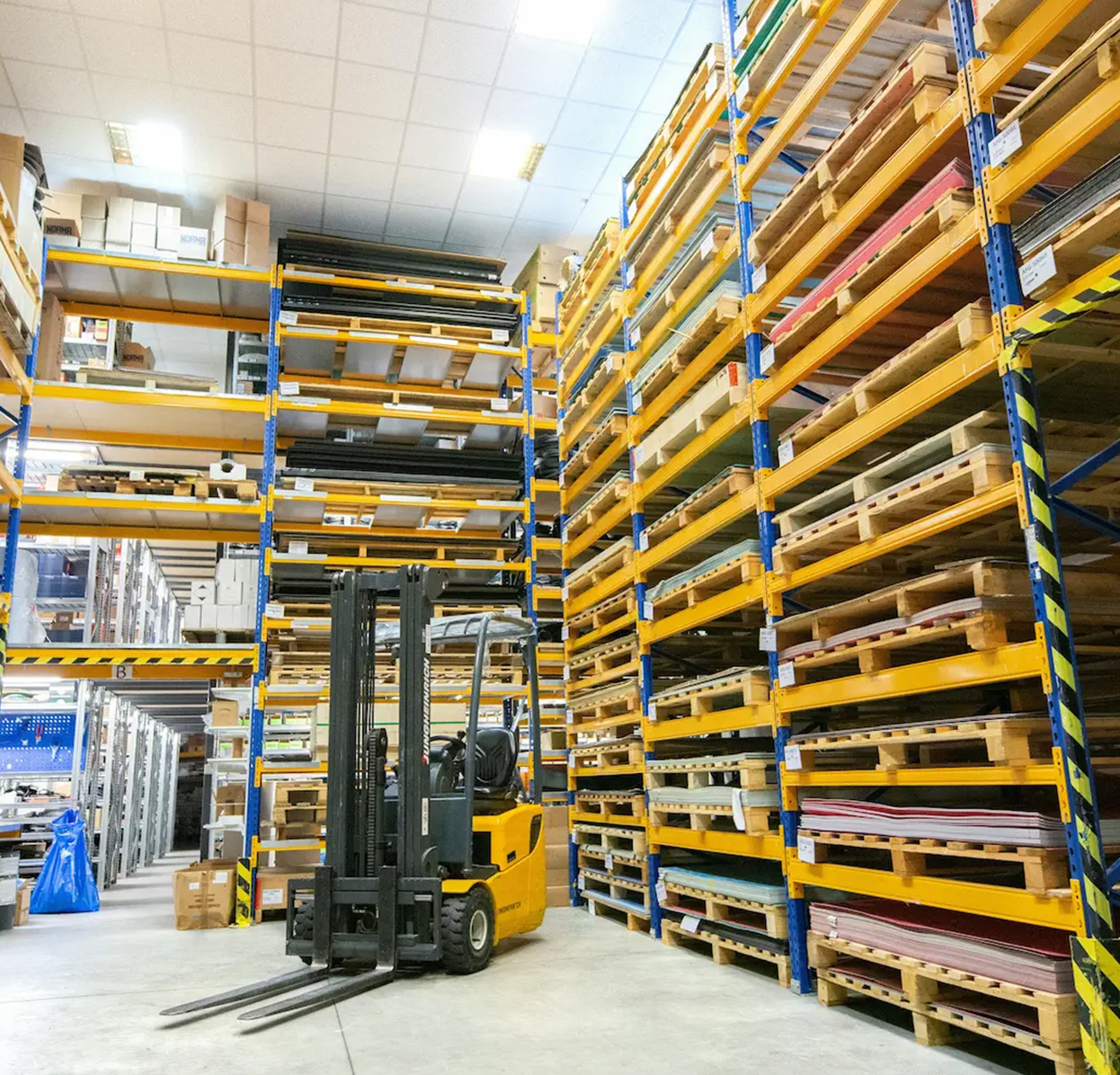
Fewer particles extend the lifespan of machines and equipment

Dust and particles accumulate in machines and other equipment, causing wear and, over time, leading to breakdowns and operational downtime. By controlling dust levels, companies can reduce wear and tear, extend equipment lifespan, and save money on repairs and maintenance.

10–20%

reduction in maintenance costs

Reduced particle levels lower cleaning frequency

A reduction in airborne particles decreases dust resuspension and limits accumulation on elevated surfaces such as high shelving, pallet racking and overhead installations.

This leads to a measurable reduction in the need for high-level cleaning interventions.

50%

reduction in high-level cleaning requirements

Improved air quality supports workforce performance

Lower airborne particle levels contribute to improved employee wellbeing, reduced sickness absence and enhanced operational efficiency.

5-10%

reduction in sick days and measurable productivity gains
Scroll to Top