
Shocking figures: New study reveals how much microplastic we inhale daily
Take a deep breath and unknowingly inhale countless microplastic particles
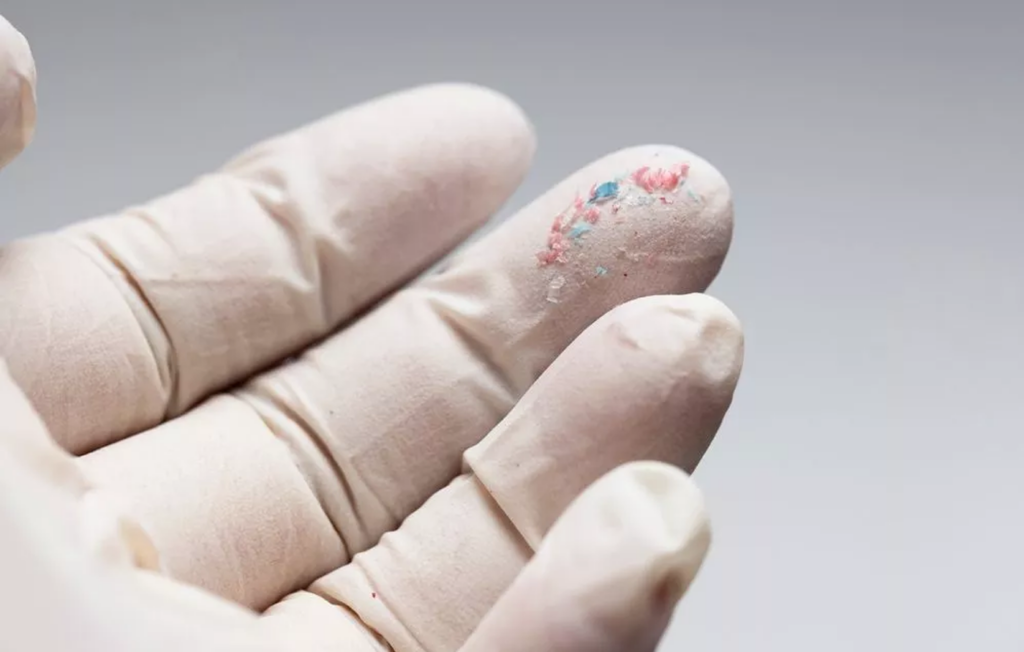
A new study published in the scientific journal PLOS One shows that people inhale around 70,000 microplastic particles per day in indoor environments, according to ScienceAlert.
This figure is far higher than previously estimated.
Many of the particles are so small that they can penetrate deep into the lungs when inhaled.
In the study, researchers from the University of Toulouse in France collected 16 air samples from their own homes and cars. The samples were analysed using a specialised technique known as Raman spectroscopy, allowing the researchers to measure the concentration of microplastics suspended in the air.
The median concentration of microplastics in apartment air samples was 528 particles per cubic metre, while levels inside cars were significantly higher, reaching 2,238 particles per cubic metre.
Of these particles, 94% were smaller than 10 micrometres (µm) — small enough to travel deep into lung tissue during breathing.
På baggrund af forskningen anslog forskerholdet, at voksne mennesker indånder cirka 71.000 mikroplastpartikler fra disse miljøer, hvoraf cirka 68.000 af dem er under 10 mikrometer.
“The concentrations we found are 100 times higher than previous estimates,” the researchers state in the paper.
They also point out that people spend around 90% of their time indoors — at home, at work, in shops and during transport — meaning exposure to airborne microplastics is constant and often unnoticed.
The long-term effects of microplastic particles in the human body are not yet fully understood. However, recent research suggests potential links to an increased risk of certain cancers, fertility issues, strokes and other health problems.
For this reason, the researchers are clear in their conclusion:
There is an urgent need for further research into the health impacts of microplastics, as well as effective ways to reduce human exposure.